Certified Shrub Service Local Specialists
Explore Vital Tree Care Methods for Ideal Tree Well-being
Understanding tree care is important for ensuring ecological wellness. Crucial methods like pruning and mulching play significant roles in encouraging strong tree growth. Furthermore, the right way to water are essential for root establishment. However, most people miss the signs of tree diseases and the need for expert assistance. Looking into these areas can result in a better understanding for trees and their care. What steps can one take to make sure their trees flourish?
The Significance of Tree Well-being
Understanding the importance of tree health is critical, as trees play a significant role in maintaining ecological balance and improving city settings. Vibrant trees help improve the quality of the air, offer cooling shade, and provide refuge for nature. Furthermore, they help lessen global warming by capturing carbon, making them essential for environmental sustainability.
Within metropolitan areas, healthy urban trees look better, increase property values, and promote community well-being. Their presence can reduce city heating in cities, resulting in reduced utility bills.
Failing to care for trees, in contrast, can lead to illness, insect problems, and weakness in structure, presenting hazards to infrastructure and the trees themselves. As a result, knowing the markers of tree well-being, for example, leaf hue, its development rate, and bark condition, is essential for successful maintenance. Ultimately, promoting tree health helps more than individual landscapes but also the broader ecosystem, emphasizing the need for preventative maintenance and management practices.
Essential Pruning Techniques
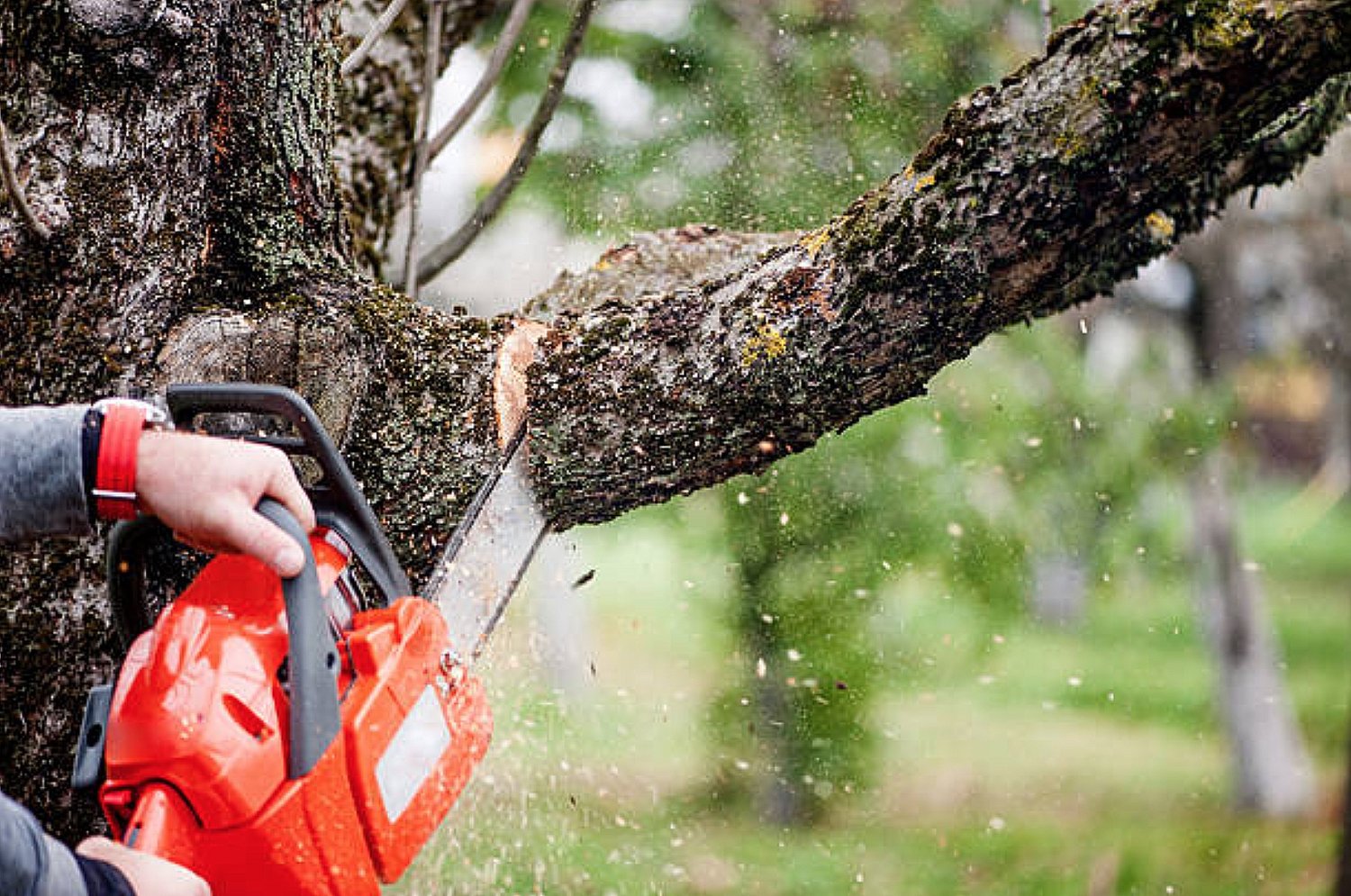
Cutting branches is a vital method in tree care that promotes strong growth and vitality, as it gets rid of sick or dead limbs and improves air circulation within the canopy. Applying correct practices makes certain that trees can grow well in their setting.
A key method is "thinning," which involves selectively removing branches to allow more light through and decrease stress on weaker parts. 'Tip pruning' is a common approach, where the terminal buds are removed to encourage thicker growth, particularly for young trees. Furthermore, the process of 'crown reduction' lowers the overall height of a tree and retaining its natural structure.
Timing is essential; trimming when the tree is resting minimizes stress and optimizes healing. Tools should be sharp and clean to minimize harm and the spread of pathogens. Understanding these important pruning techniques is vital for every arborist focused on preserving healthy and visually appealing trees.
Identifying Common Tree Diseases
What helps tree owners spot the indicators of typical illnesses that endanger their trees? Knowing the particular signs is critical for prompt identification and treatment. Common indicators include leaves that are yellowing or drooping, suggesting potential fungal issues or insufficient nourishment. Unusual growths, such as galls or cankers, can signal the presence of pests or diseases that harm the tree's vitality. In addition, sap running out or bark flaking off may indicate infections that require immediate attention.
Tree owners should also observe modifications to the tree's appearance, like premature leaf shedding or dead branches, which might indicate a serious problem beneath the surface. Watching for evidence of bug problems, for instance, sawdust or bark holes, is equally important. Through vigilance and promptness, tree owners can identify these common diseases and seek appropriate remedies, to keep their trees healthy and vigorous across the different seasons.
How Mulching Helps Trees
Mulching is a key technique in tree care, offering numerous benefits that foster robust growth and durability. It means spreading a layer of specific material types at the tree's base, which helps retain soil moisture, keeping weeds down, and stabilizing soil consult this source warmth. This insulating layer not only reduces competition from invasive plants but also enhances the aesthetic appeal of the yard.
In addition, materials like wood chips, for example, bark or chips, break down eventually, providing essential nourishment and bettering its texture. This ongoing process aids in root growth and fosters a healthier environment for the plant. In addition, applying mulch helps stop soil erosion, thereby stabilizing of the tree’s root system. Properly applied mulch should be spread in a ring shape, making sure it doesn't touch with the trunk to stop decay. In conclusion, incorporating mulching into tree care routines greatly supports to the long-term health of trees.
Optimal Watering Methods for Trees
Quality tree upkeep needs more than just mulching but also proper watering practices to guarantee ideal growth and health. Trees, particularly newly planted ones, need consistent moisture to establish strong root systems. It is vital to water deeply, as it promotes roots to descend where moisture is more consistent. Optimally, trees need roughly one inch of water per week, whether through rainfall or supplemental irrigation.
Watering should be done at dawn to minimize water loss and fungal diseases. One must be careful not to overwatering, which may result in root rot and other issues. The soil should be checked for moisture before watering; if the top two inches are dry, it is time to provide water. Furthermore, employing a soaker hose or drip irrigation offers a slow, constant flow of water, ensuring that trees receive adequate hydration without the risk of runoff. Correct watering methods greatly contribute to the total vitality of trees.
Hiring Professional Tree Services: The Timing and Rationale
When considering the health and aesthetics of a property, retaining specialized arborists can be crucial for homeowners facing complex tree care needs. Trained arborists hold the expertise to determine tree vitality, recognize pathogens, and apply successful remedies. Arborists are also aware of local regulations concerning tree removal and maintenance, guaranteeing compliance and preventing costly penalties
(Stillwater Tree Service)Homeowners should consider hiring professionals when dealing with large trees, especially those close to buildings or power lines, as mishandling creates safety hazards. Furthermore, trees requiring pruning for aesthetic or health reasons benefit from the skills of trained specialists who can perform careful trimming to promote growth
Periodic maintenance, such as preparing for storms and debris cleanup, also require expert help to keep the property safe and appearance. Ultimately, hiring certified arborists guarantees that trees receive ideal care, thereby enhancing the overall landscape and real estate worth
Questions and Answers
How Do I Know if My Tree Is Overwatered?
Symptoms of excessive watering are yellowing leaves, wilting despite moist soil, root rot, and significant defoliation. Furthermore, the presence of fungal growth near the trunk's bottom may indicate slow soil percolation and waterlogged conditions.
What Is the Best Time of Year for Tree Pruning?
The optimal period to prune trees is generally in the cold months before spring before new growth begins - Stillwater Tree Service. Scheduling the work then supports robust regeneration and minimizes stress on the tree, facilitating quick recovery and further growth
Is It Possible for Trees to Survive Major Storm Damage?

It is possible for trees to bounce back after severe weather. Given the right attention, like trimming broken branches and ensuring sufficient hydration and feeding, a lot of trees can become healthy again and flourish once more despite enduring major trauma.
What Should I Look For When Choosing the Right Mulch for My Trees?
To choose the right mulch for trees, one should consider organic materials such as shredded bark or wood chips, ensure a layer 2 to 4 inches deep, and keep mulch away from the tree collar to safeguard against rot.
Are Some Trees Higher Maintenance Than Others?
Certain trees, such as fruit trees and newly planted specimens, need extra maintenance because they react strongly to environmental shifts and specific nutrient needs. Consistent observation and customized care routines are crucial for their well-being and flourishing.